

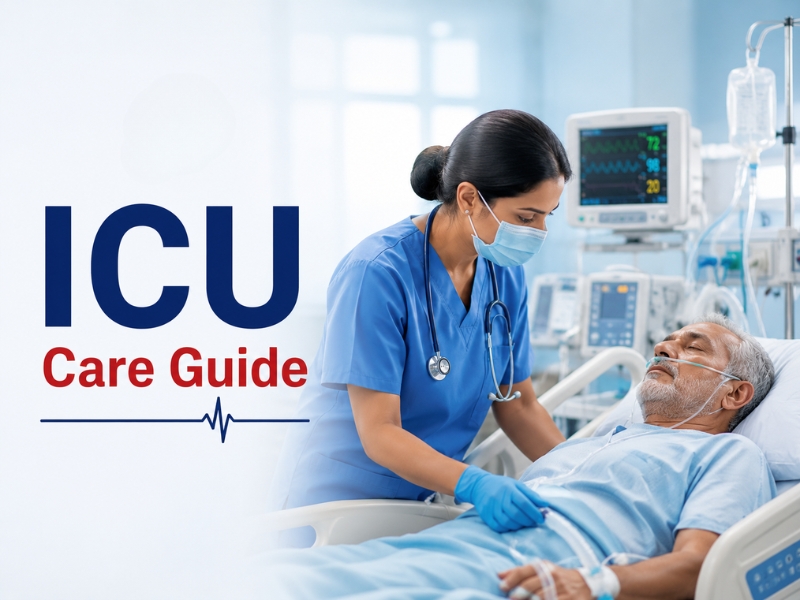
An Intensive Care Unit (ICU) is one of the most critical departments in a hospital. When a loved one is admitted to the ICU, families often feel anxious, overwhelmed, and uncertain about what happens during treatment.
Understanding how ICU care works can help families feel more informed and prepared during medical emergencies.
At Shree Rameshwaram Hospital, Pitampura Delhi, our ICU and critical care team provides 24/7 monitoring, emergency medical support, advanced life-saving treatment, and compassionate patient care for critically ill patients.
What Is an ICU?
An ICU (Intensive Care Unit) is a specialized hospital department designed to treat patients with serious or life-threatening medical conditions that require constant monitoring and advanced medical support.
Patients admitted to the ICU may require:
- continuous observation
- ventilator support
- emergency treatment
- cardiac monitoring
- post-surgical care
- critical infection management
ICUs are equipped with advanced medical technology and highly trained healthcare professionals.
Why Are Patients Admitted to the ICU?
Patients may need ICU care for several medical emergencies including:
- severe infections
- stroke
- heart attack
- breathing difficulty
- major surgery recovery
- serious injuries or accidents
- organ failure
- uncontrolled blood pressure
Critical care specialists work continuously to stabilize patients and prevent complications.
What Happens Inside an ICU?
1. Continuous Patient Monitoring
ICU patients are monitored around the clock using specialized equipment that tracks:
- heart rate
- blood pressure
- oxygen levels
- breathing patterns
- neurological activity
This allows doctors to respond quickly to changes in the patient’s condition.
2. Advanced Medical Support
ICUs provide life-saving support systems such as:
- ventilators
- oxygen therapy
- IV medications
- cardiac support
- dialysis support when required
Advanced treatment helps stabilize critically ill patients.
3. Specialized Medical Team
ICU care involves a multidisciplinary team including:
- critical care doctors
- nurses
- neurologists
- surgeons
- respiratory therapists
- emergency medicine specialists
Coordinated care improves recovery outcomes.
4. Infection Control and Safety
Strict hygiene and infection control measures are followed inside the ICU to protect vulnerable patients from complications and hospital-acquired infections.
5. Family Communication and Counseling
Doctors regularly update families about:
- patient condition
- treatment progress
- medical procedures
- expected recovery plans
Clear communication helps reduce stress and confusion during difficult situations.
Common Equipment Seen in an ICU
Families may notice different machines and monitoring devices including:
- heart monitors
- ventilators
- infusion pumps
- oxygen support systems
- bedside monitors
These devices help healthcare teams monitor and support critically ill patients continuously.
When Should You Visit an Emergency Hospital?
Seek immediate medical attention if someone experiences:
- chest pain
- severe breathing difficulty
- unconsciousness
- stroke symptoms
- severe injury
- sudden weakness
- seizures
- major accidents
Emergency medical treatment can save lives and reduce complications.
Why Choose Shree Rameshwaram Hospital, Pitampura Delhi?
Shree Rameshwaram Hospital is a trusted multispeciality hospital in Pitampura Delhi providing advanced ICU and emergency care services.
Why patients and families trust us:
- 24/7 ICU and emergency support
- experienced critical care specialists
- advanced patient monitoring
- emergency response team
- patient-focused treatment
- compassionate family support
We proudly serve patients across Pitampura, Rani Bagh, Rohini, NSP, and nearby areas of Delhi.
Contact Shree Rameshwaram Hospital
📍 Address: A/9, Rishi Nagar, Rani Bagh, Pitampura, Delhi – 110034
📞 Call Now: 097175 43790
Website: https://shreerameshwaramhostpital.com/
Instagram: https://www.instagram.com/shree_rameshwaram_hospital/
Facebook: https://www.facebook.com/people/Shree-Rameshwaram-hospital/100095033651638/
Final Thoughts
ICU care plays a vital role in saving lives during serious medical emergencies. Understanding how intensive care units function can help families feel more informed and confident during treatment.
Visit Shree Rameshwaram Hospital, Pitampura Delhi for advanced ICU support, emergency medical care, and compassionate critical care services.
